Turn Dense Notes into Captivating Visual Summaries
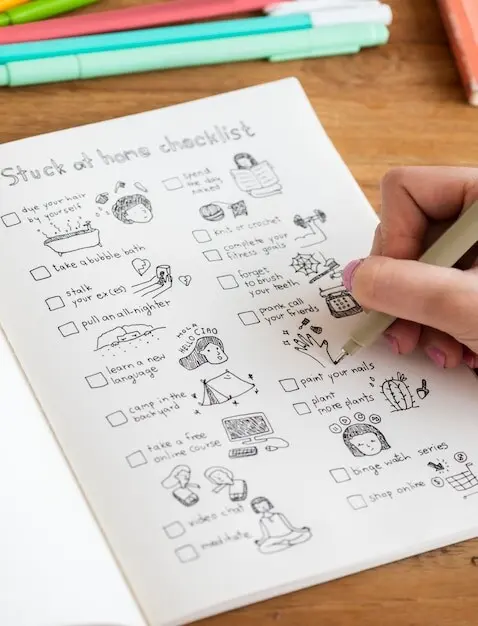
Today we dive into converting text-heavy notes into visual summaries that boost comprehension, recall, and collaboration. You’ll learn practical frameworks, design moves, and workflows to transform walls of text into clear visuals your brain loves, without losing nuance or rigor.

The Brain-Friendly Case for Visualizing Information

When words overflow, the mind seeks anchors. Visual summaries provide those anchors by pairing concise language with shapes, arrows, and spatial grouping. Decades of learning research highlight dual coding and reduced cognitive load, helping ideas stick, travel faster in groups, and invite meaningful discussion and feedback.

Dual Coding in Everyday Learning

Combine language and imagery so the message has two reliable paths into memory. Start with a short headline, add a visual metaphor, and reserve labels for essentials. In study notes or project briefs, this simple pairing consistently clarifies intent and strengthens recall.

Fighting Cognitive Overload with Structure

Dense paragraphs demand constant decoding; simple structures relieve the strain. Use containers, grouping, and progressive disclosure to stage attention. Present only what matters first, then expand. This gentler cadence protects focus, reduces re-reading, and frees energy for reasoning, creative leaps, and better questions.

Emotion, Story, and Sticky Memory

Visuals can suggest sequence, tension, and resolution without heavy prose. A pathway arrow implies progress; a gap icon signals risk. When notes hint at story, people lean in, predict next steps, and remember outcomes. Invite comments about the moment that surprised you most.

Distilling Mountains of Text into Clear Building Blocks

Before drawing anything, shrink the text. Skim for purpose, surface questions, and underline claims that drive consequences. Convert sentences into crisp bullets, then group them by outcome or audience. This disciplined reduction reveals structure, exposure of gaps, and a shortlist of messages worth visualizing with intention.

Visual Frameworks That Clarify Fast

Maps and Networks for Relationships

When actors, concepts, or systems depend on one another, spatial maps reveal clusters and bridges. Use proximity for affinity, arrows for influence, and dashed lines for weak ties. Invite readers to propose missing connections in comments, turning your diagram into a living conversation.

Flows, Cycles, and Processes

Processes breathe through direction and cadence. A left-to-right flow matches reading habits; cycles suggest sustaining feedback. Reserve symbols for milestones, decisions, or risks. By naming each stage with a verb, you encourage momentum, accountability, and realistic expectations about where effort and patience will matter most.

Timelines, Ladders, and Comparisons

Comparisons demand aligned scales; timelines reward evenly marked intervals; ladders dramatize progress toward capability. Keep labels compact, show only key checkpoints, and annotate turning points with short reasons. Ask your audience to suggest what must be added for fairness, and revise publicly to model rigor.

Design Principles That Make Meaning Obvious

Clarity is a design choice, not a luxury. Establish visual hierarchy with size, weight, and placement; create rhythm with repetition and alignment; protect breathing room with generous spacing. Favor plain typography, decisive contrast, and consistent icon styles so attention lands where the message lives, not decoration.
Start by choosing a single dominant element, then support it with clear secondary and tertiary levels. Align edges to invisible columns, creating rhythm readers can subconsciously follow. This disciplined patterning reduces scanning time, strengthens credibility, and keeps complex explanations surprisingly approachable for busy, skeptical audiences.
Use color sparingly to encode meaning rather than decorate. Pick a limited palette with strong contrast and test for color-blind safety. Pair tiny icons with succinct labels to aid skimming. Micro-visuals guide attention, reduce ambiguity, and make summaries both scannable and trustworthy without overwhelming detail.
Readers forgive imperfect artistry but abandon illegible layouts. Choose readable type, avoid crowded lines, and let white space bind groups and separate ideas. Balance weights across the page so no area screams. Your most generous gift is effortless navigation from question to evidence to implication.

Paper First, Camera Second

Start with index cards or a dot-grid sheet to escape perfection pressure. Draw three versions in five minutes each, then photograph the best. Cropping, contrast, and annotations in your phone editor are enough to test comprehension before investing time in polished vector art.

Rapid Digital Sketching Stack

Pick one lightweight tool you can open in seconds, whether tablet sketching or browser-based boards. Create stencils for arrows, cards, and swimlanes. Keep stroke widths consistent. Export sharing links quickly, and ask a colleague to narrate what they see to validate clarity in minutes.

From Meeting Minutes to Masterpiece: Real-World Stories

Transformation becomes real when we witness it. A student, a product team, and a researcher each turned dense notes into visuals that changed outcomes. Their experiences reveal pitfalls, pivots, and practical wins you can borrow today. Share your own story afterward, so our community grows smarter together.

A Student Reframes a Dense Chapter

Faced with twenty pages of text about cell respiration, Maya mapped inputs, reactions, and outputs as a loop with three big checkpoints. Her quiz anxiety dropped, study time shrank, and classmates asked for copies. She posted lessons learned, inviting edits that improved clarity further.

A Product Team Aligns in One Page

Weekly reports buried risks, so the lead synthesized milestones, blockers, owners, and confidence into a single roadmap. Leadership could scan in seconds, then focus the meeting on trade-offs. By preserving a notes appendix, the team retained nuance while gaining faster, more courageous decisions.

A Researcher Synthesizes a Literature Review

After battling scattered highlights, the analyst built a matrix showing study design, sample size, effect direction, and limitations. Patterns surfaced instantly, guiding which citations to foreground. The final visual anchored the narrative, won reviewer trust, and saved hours during inevitable last-minute revisions and queries.

Zavovirolivoveltolumanilo
Privacy Overview

This website uses cookies so that we can provide you with the best user experience possible. Cookie information is stored in your browser and performs functions such as recognising you when you return to our website and helping our team to understand which sections of the website you find most interesting and useful.