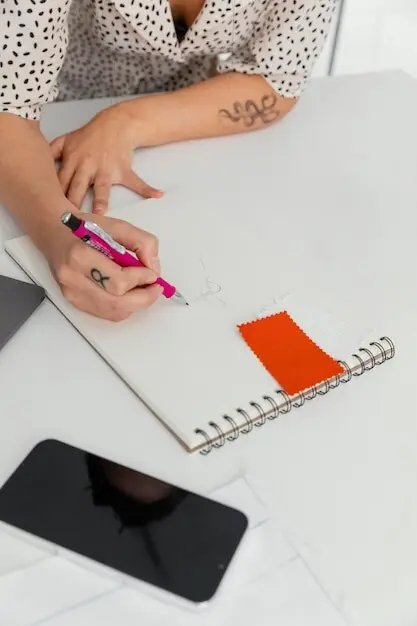
Icons, Layouts, and Lightning-Fast Memory
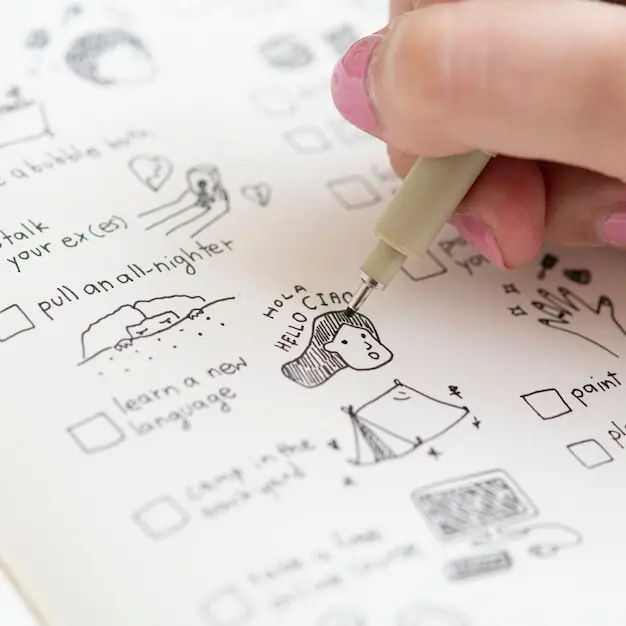
Today we dive into memory boosting with simple icons and clean layouts in study notes, blending cognitive science with playful design. You’ll learn how tiny drawings, generous spacing, and smart structure turn sprawling lectures into quick-glance maps. Expect practical workflows, human stories, and templates you can try tonight, transforming dense paragraphs into cues that actually stick and spark recall under pressure.

How Pictures and Space Supercharge Recall

Words alone ask your brain to sprint without shoes; add a clear icon and a sensible layout, and recognition suddenly has traction. Dual coding lets verbal and visual traces reinforce each other, while whitespace and grouping lighten cognitive load. We will translate research into everyday note pages, building simple, repeatable patterns you can sketch quickly during class. Share your favorite symbol for ’cause and effect’ or ‘exception’ below, so others can adopt it and remember faster too.

Dual Coding, Made Practical

Pair every key term with a tiny, literal or metaphorical sketch, plus a two-word caption. The picture grabs attention, the caption anchors meaning, and together they survive exams far better than highlights. Keep drawings consistent across chapters, and your brain builds a stable retrieval path.

Chunking Through Visual Grouping

Cluster related facts inside lightly outlined boxes, or align them in tight columns with equal spacing. This invites the mind to package complexity into manageable parcels. During review, cover one box at a time and recall aloud, strengthening boundaries that help details travel together.

Spatial Maps That Stay Put

Arrange content along a simple path—top left to bottom right, or clockwise around the page—so location becomes a memory cue. Later, your eyes retrace the route and trigger associated facts. Labels, arrows, and subtle numbering reinforce wayfinding without clutter.

Simplicity That Teaches Itself

Minimalism is not emptiness; it is intention. Choose few shapes, clear contrast, and breathable margins so every element has a job. A restrained palette and predictable alignment reduce search time, freeing attention for meaning. We will design repeatable page frameworks that welcome messy lectures yet end tidy. Comment with a snapshot of your favorite before-and-after layout, and tell us which small change made remembering feel unexpectedly easy this week.

Choose a Consistent Icon Family

Pick a geometric style—outline, filled, or hand-sketched—and stick with it across subjects. Consistency helps recognition happen preattentively, eliminating micro-decisions that exhaust working memory. Create a one-page legend and reuse it relentlessly, adding only when a new concept truly demands a distinct mark.

Build Hierarchy with Grids and Flow

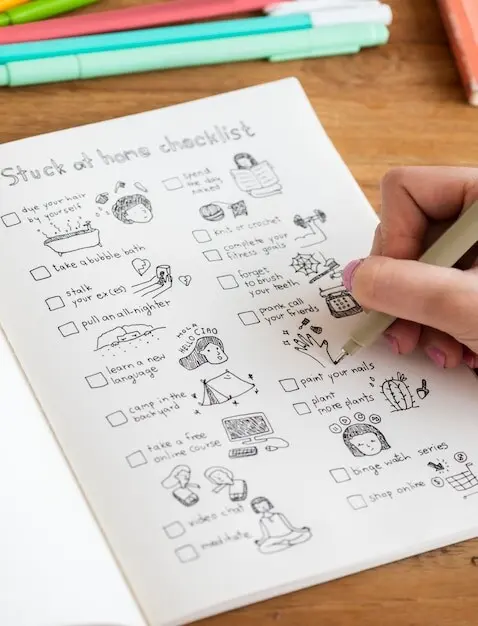
Use a quiet grid to align headers, examples, and summaries. Bigger headers, medium subpoints, and smaller notes create a rhythm the eye can trust. Arrows indicate flow, but limit them to essentials. Your page becomes a map readers can navigate without questions. During tests, recalling the grid’s rhythm often cues the missing step.
From Lecture Rush to Clear Pages

Fast capture now, thoughtful structure later. In class, speed matters; after class, clarity wins. This two-phase approach respects attention limits while preserving accuracy. You will learn shorthand symbols for real-time notes and a short cleanup ritual that transforms chaos into reliable study material within minutes. Join the discussion and share your fastest mark for ‘example’ or ‘important’; your idea might save a peer from rewriting entire sections the night before an exam.
Develop ten ultra-simple marks: cause arrow, star for priority, magnifying glass for definition, clock for timeline, chain for connection. Sketch them once, then repeat automatically. Your pen spends less energy deciding, more capturing. Later, these anchors guide restructuring without losing the lecturer’s exact phrasing.
Immediately after the bell, box major chunks, draw a margin summary, and add two icons to each section. Clarify any vague arrows or abbreviations while memory is still warm. This micro-session prevents procrastination and locks in structure before details begin to drift.

Tools That Make Symbols Effortless

Whether you prefer paper or tablet, small choices compound into smoother studying. The right pen width, a reusable template, or a searchable symbol library removes friction and invites consistency. We will compare analog kits, digital apps, and gentle automations so you can build a workflow that feels natural and sustainable throughout the semester.

Paper Kits for Portable Clarity

Carry a dot-grid notebook, a 0.5 mm black pen, a pale gray highlighter, and slim sticky notes. The grid aligns icons; the pen stays crisp; gray adds emphasis without screaming. Stickies capture late add-ons without rewriting, then migrate during weekly synthesis.

Tablets, Vectors, and Reusable Templates

On iPad or Android tablets, create vector-based icon stamps and page templates with pre-drawn headers and grids. Drag, resize, and color them consistently. Over weeks, the template becomes home base, teaching your eyes where to look and letting content change without redesign work.

Automation: Text to Symbol in Seconds

Build simple text expansion shortcuts: type ;def to insert a definition badge, ;ex to place an example icon, or ;warn for a caution triangle. In Notion, OneNote, or Obsidian, snippets and slash commands standardize meaning while keeping typing fast and low-friction. Pair with keyboard remaps or stylus button macros, and you transform repetitive actions into muscle memory that reinforces semantic roles across every page you touch this term.

Stories From Desks That Remember

Real people refine systems, not theories. Here are condensed portraits from our readers who paired simple icons with structured pages and watched stress drop while scores rose. Their details differ, yet the pattern repeats: visual anchors tame overload, and orderly space makes recall feel almost automatic. Add your story in the replies and inspire someone still drowning in fluorescent highlighter stripes.

Make Memory a Daily Design

Learning sticks when small, repeatable behaviors nudge it forward every day. By standardizing a visual language, practicing retrieval with quick redraws, and scheduling spaced reviews, you shape a gentle system that respects limits yet compounds progress. We will craft rituals, games, and calendars that transform scattered efforts into dependable momentum. Subscribe for printable prompts and share which habit most changed your confidence before exams.

Rituals That Standardize Your Visual Language

Start each session by rewriting your legend, three symbols per line, ten lines total. Then, set a micro-goal: two new icons only if truly needed. This guardrail preserves recognition benefits while allowing growth. End by tagging sections you will test from tomorrow, accepting imperfect art kindly.

Retrieval Games That Redraw Knowledge

Close your notebook and sketch yesterday’s page from memory, placing icons first, words second. Time-box to five minutes. Score yourself by structure recalled, not pretty lines. Invite a friend to swap prompts, turning practice social. Sharing sketches in comments multiplies ideas and accountability for everyone.

Calendar the Moments When Forgetting Starts

Use spaced repetition intervals—1, 3, 7, 14 days—to revisit pages quickly. At each pass, add or refine one icon, tighten layout, and test recall aloud. The calendar becomes a quiet coach, reminding you that remembering is maintenance, not perfection chased at midnight.
Zavovirolivoveltolumanilo
Privacy Overview

This website uses cookies so that we can provide you with the best user experience possible. Cookie information is stored in your browser and performs functions such as recognising you when you return to our website and helping our team to understand which sections of the website you find most interesting and useful.