Draw Together, Think Better: Visual Notes for Remote Teams
Today we explore collaborative visual notes for remote meetings, turning scattered talk into shared sketches, maps, and diagrams that everyone can see, shape, and remember. You’ll discover practical rituals, humane facilitation moves, reliable tools, and real stories that help distributed teammates co-create clarity, make decisions faster, and carry insights forward long after the call ends.
Why Pictures Move Decisions Faster
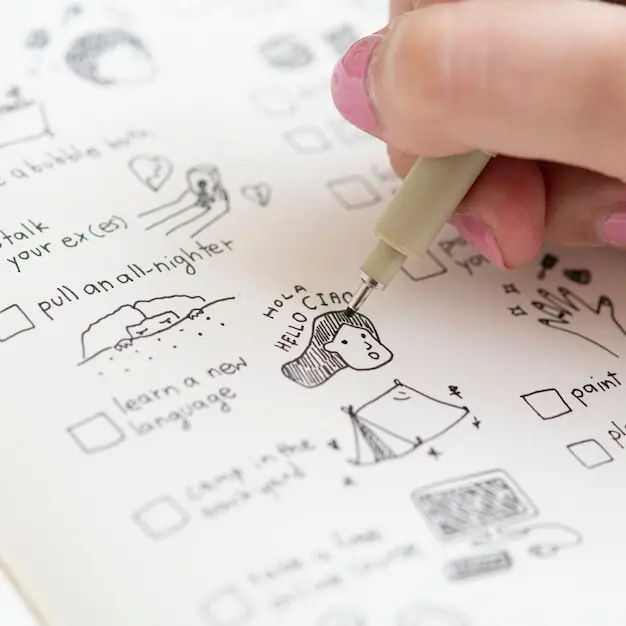
When people in different time zones speak, meaning often frays at the edges. Collaborative visual notes knit it back together. By combining words with shapes, arrows, and color, teams anchor nuances, reduce ambiguity, and surface hidden assumptions. This practice sparks alignment because everyone can literally point to the same idea, negotiate its shape, and capture decisions that stand up to time, change, and future readers.
From Conversation to Clarity
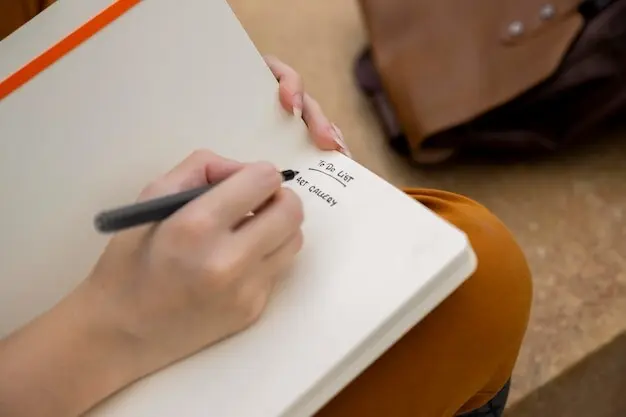
As voices overlap on a call, a live canvas turns ideas into visible objects that can be moved, grouped, and connected. A messy brainstorm becomes patterns, clusters, and labeled paths. Participants see relationships, not just hear claims, which naturally invites questions, reveals contradictions, and strengthens conclusions without relying on memory or status.

Memory That Sticks
Visual notes blend verbal and spatial cues, making it easier to recall agreements and reasoning days later. Instead of hunting through dense transcripts, teammates revisit a single map that shows how choices emerged. The colors, icons, and layout function like landmarks, guiding attention back to what mattered and why it was chosen together.

Bridging Accents and Time Zones
In distributed teams, audio lag and varied accents can slow understanding. Shared sketches reduce strain by carrying meaning in structure, proximity, and motion. A highlighted arrow or shaded region can say more in a second than a paragraph. People contribute confidently, even with patchy connections, because the canvas preserves intent beyond spoken words.
Toolbox for Shared Sketching
Choose tools that remove friction so participation feels natural. Look for infinite canvases, quick shapes, sticky notes, simple connectors, and low-latency cursors. Consider templates, voting, and timers for facilitation. Prioritize accessibility, keyboard navigation, and readable exports. Integration with chat, calendars, and knowledge bases helps notes travel from the meeting space into daily work without busywork or loss.
Warm-Up Doodles That Break the Freeze
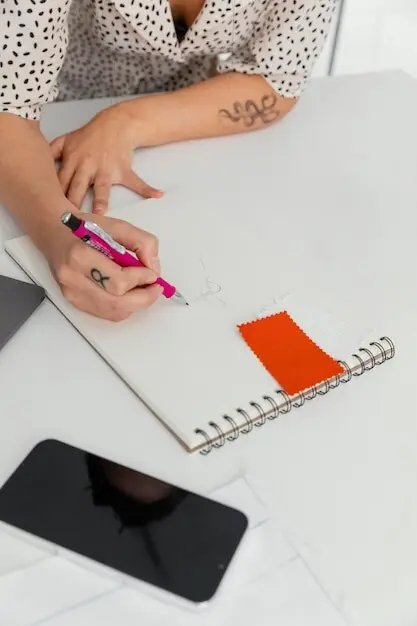
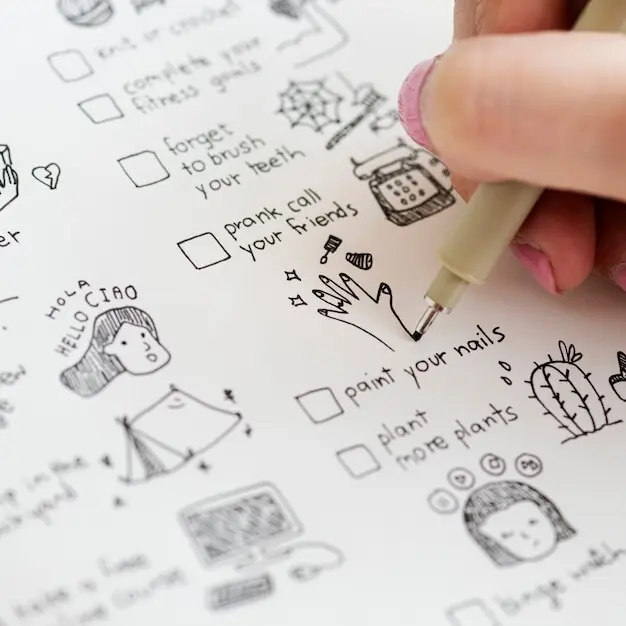
Start with one-minute doodles: draw your mood as a weather icon, sketch today’s priority as a creature, or map your focus with three shapes. These playful prompts loosen hands and reduce self-judgment. After laughing together, participants are more willing to drag arrows, adjust clusters, and write labels during heavier, decision-critical moments.

Layers of Contribution for Every Comfort Level
Offer multiple ways to engage: color-coding agreement, placing a star on priorities, dropping a sticky for clarifications, or sketching a rough diagram. Name these layers at the start. People can climb from light interactions to bolder edits as confidence grows. This scaffolding respects introverts and helps expertise emerge without pressure or posturing.

The Two-Minute Freeze
Announce brief silent windows where everyone stops talking and draws. These pauses equalize airtime, favor reflection over interruption, and produce richer artifacts. When voices resume, they point to marks, not egos, which lowers defensiveness. The result is quicker alignment because evidence lives on the canvas rather than floating in contested sentences.
Decision Labs That Surface Trade-Offs
Use impact–effort matrices, pros-and-cons ladders, and simple risk heatmaps to make trade-offs visible. Encourage counterexamples and assumptions lists near each option. Draw a thin path from problem to option to expected result, labeling uncertainties. A tangible decision trail protects against hindsight bias and accelerates follow-up when conditions change.
Discovery Conversations That Notice People
For research or kickoff calls, map personas, journeys, and frustrations as clusters with quotes. Highlight moments of delight and friction with symbols. Ask participants to place dots where energy spiked. This turns abstract needs into navigable landscapes, guiding later prioritization and ensuring decisions honor real experiences rather than convenient guesses.
Status Syncs Without Endless Slides
Replace static decks with a lightweight board showing swimlanes for goals, progress markers, and blockers. Let owners drop quick sketches or annotated screenshots. Color-code risks and dependencies. Because it updates in real time, the board becomes a shared source of truth, reducing handoffs, repetition, and the dread of weekly slide wrangling.
Asynchronous Continuity and Documentation
Great visual notes outlive the meeting. Curate them into narratives, link decisions to tickets, and embed canvases in knowledge bases. Add concise captions, tags, and dates. Summarize what changed since last session. These habits create institutional memory that welcomes newcomers and protects context from vanishing into chat scrolls or inbox silos.
Onboarding and Skill-Building for Non-Artists
No drawing talent required. Teach a visual alphabet of lines, boxes, arrows, containers, and simple figures. Offer micro-lessons during real work, not in abstract workshops. Celebrate small improvements. Pair new contributors with patient facilitators. When the bar to entry drops, visual note-taking spreads from specialists to the entire team with joyful momentum.
A Visual Alphabet Anyone Can Learn
Start with five shapes—dot, line, triangle, square, and circle—and combine them to build icons for people, tools, obstacles, and outcomes. Teach contrast, proximity, and repetition for readability. Show before-and-after examples. Confidence grows when colleagues realize clarity depends on structure and labeling, not perfect illustrations or expensive stylus hardware.
Micro-Lessons and Ready-to-Use Templates
Run five-minute drills: sketch a customer handoff, map a blocker’s causes, or reframe a goal as inputs and outputs. Offer templates with prompts and example annotations. These tiny practices accumulate skill quickly, letting teammates focus on thinking together while the canvas quietly scaffolds good habits and repeatable, dependable outcomes.
Celebrate Small Wins, Publicly and Kindly
End meetings by spotlighting a helpful annotation, a clear cluster, or a brave redraw that simplified thinking. Capture a screenshot and share a thank-you note in chat. Recognition normalizes contribution, counters perfectionism, and signals that collaboration is valued far more than pristine lines or clever aesthetics that exclude newcomers.